
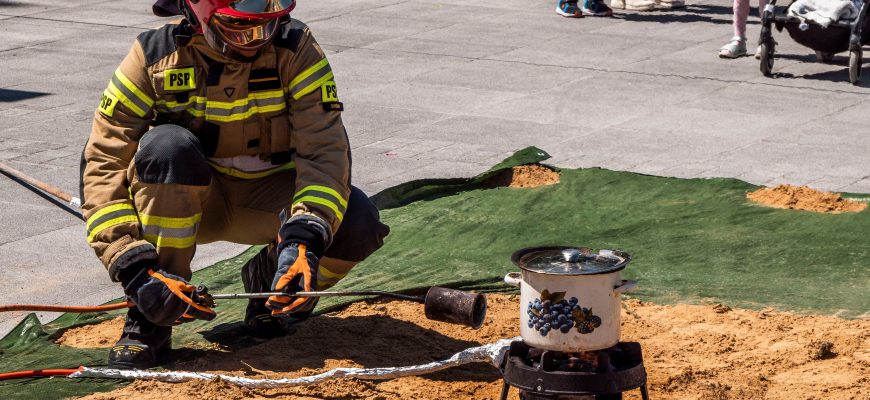
Fire watch coverage changes while a building is being built. At first, the main job is to clear away any brush and look at any hot equipment. The team will start to pay attention to the wooden frame, hot work areas, and materials used during the interior finishing process as time goes on. When the fire detection system is activated, and the building is close to completion, the team’s monitoring will be adjusted.
Evolution of On-Site Fire Safety Throughout Construction
Construction sites change every day. The risks on site also change as work moves forward. At first, workers have to get things set up where building will happen. There is a lot of heavy equipment in use at this time. Dry brush on the ground can be a risk, too. Later on, workers bring in lots of wood frames and use chemicals for finishing that can catch fire. Sometimes they put in live wires as well. During this part of the job, the fire systems are not yet working.
Understanding these changing risk levels helps general contractors stay up to date with local fire rules and OSHA safety checks. Using construction site fire watch makes sure trained people look over the job site. They watch for new risks, look over heating and power setups that are put in for now, and make sure ways to get out in an emergency stay open the whole time work is going on.
Site Preparation and Excavation Hazards
At first, when work starts and the area is cleared and dug up, there are not many things in the building that can catch fire easily. But there are big machines and engines on the site. These can get hot and may bring some heat risks.
- Machinery and Refueling: Excavators, trenchers, and generator units keep running with big loads all day. Engines can get too hot, or if someone puts in the wrong fuel, a fire may start in dry brush or in nearby things.
- Open Flame and Burning Permits: People sometimes burn brush or weld pipes at the start of site work. A person should watch the whole time to see if fire tries to get out. This is done to stop the fire from going wild.
- Maintenance of Access to Emergency Services: In the early stages of the evaluation process, it is important to ensure that the roads are not barricaded. The road must not have any dirt mounds, building equipment, or delivery vans blocking it. There should be access to the emergency services in case of any problems.
For the official rules about jobsite emergency plans and hot work, general contractors check what the Occupational Safety and Health Administration (OSHA) says.
Structural Framing and Enclosure Risks
The framing phase is one of the riskiest times in a build, either for a home or a business place. A lot of timber or steel is used at this stage. The fire sprinklers, standpipes, and smoke detectors do not work yet.
Combustible Material Stacking
There are wood studs, plywood, insulation, and packing stuff on every floor. If you see even one spark from welding steel or using a roofing torch, it can make the bare wood frame catch fire fast.
Temporary Utility Systems
Temporary electrical panels, heating units, and lights with high power stay on all the time with temporary wires. This can make it more possible for electric shorts or flashes to happen by the building frame.
During this time, fire watch staff walk through every floor and do not stop. They look at the power setups that are only there for a short time. They also look at each fire extinguisher spot. After the trade shifts, they make sure no one does hot work without a permit. They also see that everyone follows all the rules.
MEP Rough-Ins and Heavy Hot Work Operations
Many people do mechanical, electrical, and plumbing (MEP) jobs at the same time during the rough-in stage. You can see these trades on different floors. This means there is a lot more hot work going on at once.
- Pipe Sweat and Welding: People who work with pipes and HVAC use fire tools to join copper pipes or fix duct supports near wooden beams and dry insulation.
- Post-Work Patrols: Normal safety rules say they have to stay for at least 30 to 60 minutes after these hot jobs. This is to check for smoke inside walls.
Industry analysts at places often say that good risk management and jobsite safety rules help to lower costly delays and insurance issues in big development projects.
Pre-Occupancy and System Testing Handover
The final action is to modify the system configuration. Get rid of the system configuration located at steps of site watch that are short lived. Integrate this configuration into the self-sustaining safety systems that operate constantly.
In order for local fire marshals to issue the Certificate of Occupancy, all the essential components of alarm systems such as alarm panels, pull stations, flow switches, and smoke detectors should be tested properly. In case main water lines or alarm systems are taken off the air to conduct the final test, a temporary fire watch team of the construction site should be employed.
Conclusion
The risks associated with fire may vary at each stage as the project proceeds from beginning to end. The correct procedures that are followed during construction, including earthworks, tooling, welding, and electrification, help protect employees and materials. They also ensure the compliance with safety regulations of the area. Security guards, trained to monitor all stages of work and spot all possible minor risks and hazards, help avoid bigger risks later on. This ensures a smooth course of the project until completion.


